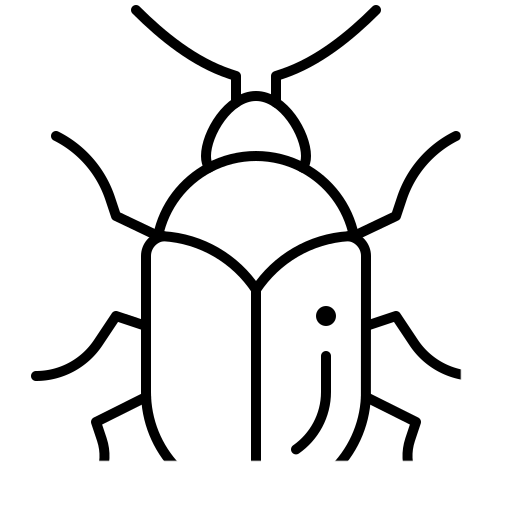
Carpet beetle
Pest of textiles and dry products
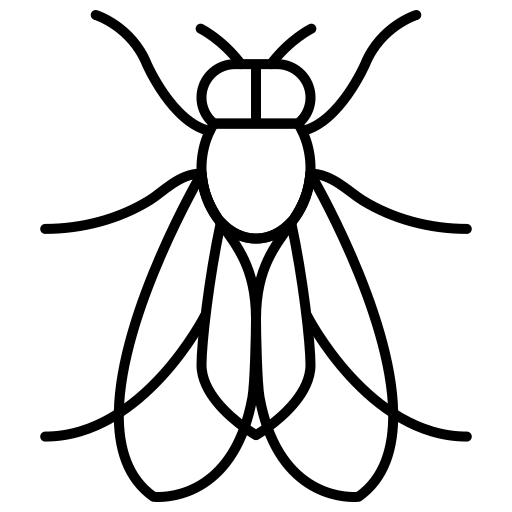
Fruit fly
Control of small flies in kitchens and food areas
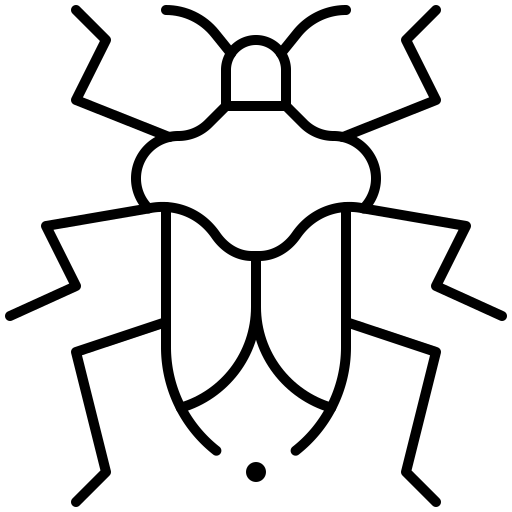
Bed bugs
Detection and elimination of bed bugs
Human fleas
Flea control in residential and shared spaces
Garden ants
Control of ant colonies in outdoor areas
Clothes moths
Moth control in textiles and storage
Pharaoh ants
Indoor ant control
Cat fleas
Flea control in homes
Seagulls
Bird control solutions
Fur moth
Textile pest control
Wasps and hornets
Nest removal

Field vole
Rodent control outdoors
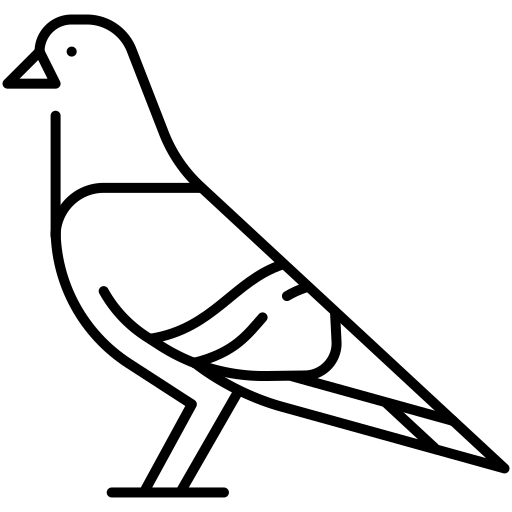
Pigeon
Protection on buildings
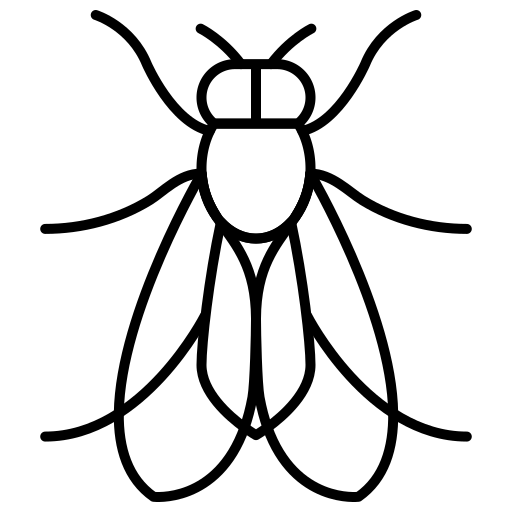
House fly
Fly population control
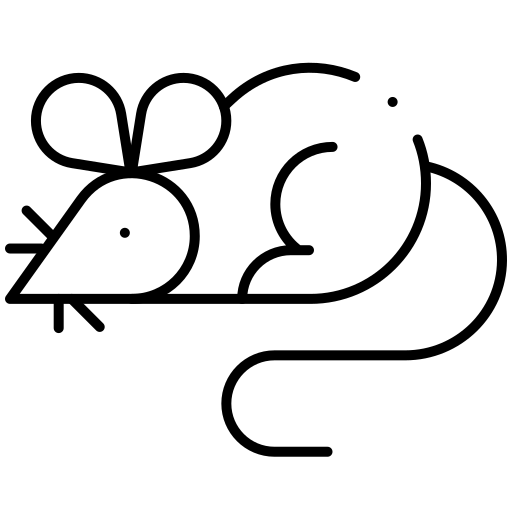
House mouse
Mouse control
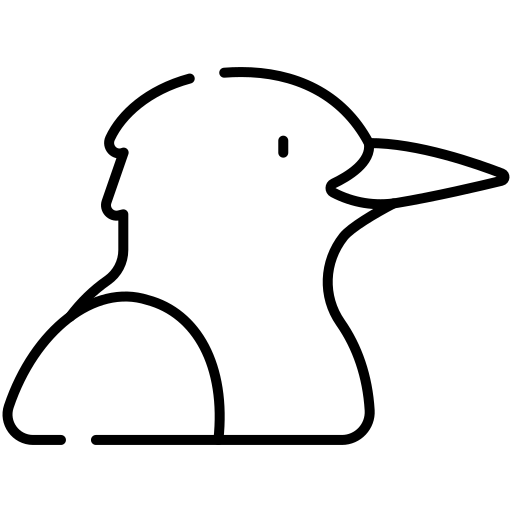
Starling
Bird control in structures
Black rat
Rodent infestation control
Black cockroach
Cockroach control
Flour beetle
Food pest control
Mosquitoes
Control and prevention
Brown rat
Rat control
Red ants
Ant control
Weevils
Storage pest control
Earwig
Crawling insect control
Silverfish
Indoor control
German cockroach
Kitchen pest control
Spiders
Spider control
Frequently asked questions about pests
Information to help you understand pest problems and choose the most suitable solution.
How can you tell if there are pests in your home?
What pests are most common in Latvia?
Can pests pose a health risk?
When should you call a pest control specialist?
Can pests return after extermination?
Most common pests in Latvia
Pests can appear in private homes, apartments, and business premises. In Latvia, the most common pests include various rodents and insects such as mice, rats, cockroaches, ants, and bed bugs. These pests can damage property, contaminate food, and create hygiene risks.
Each type of pest has different behavior and patterns of spread. Some pests actively move throughout buildings, while others hide in structures, walls, or floors. That’s why it’s important to identify the type of pest as early as possible in order to choose the most suitable control method.
Below you can ознакомиться with the most common pests and learn more about each of them. For every pest, we have prepared separate information about signs, risks, and possible solutions.
Most common pest problems
Some of the most common situations people face in homes and businesses.
Noises in walls or ceilings
Scratching, movement, or rustling sounds in walls often indicate mice or rats inside the building structure.
Insects in the kitchen or bathroom
Cockroaches, ants, and other insects often appear in places where food, moisture, or warmth is available.
Insect bites or marks on the bed
Bed bugs can leave bites on the skin and small dark marks on bedding or mattresses.
Damaged food or droppings
Rodents can damage food and packaging, leaving small droppings in cupboards or storage areas.
Birds on balconies or roofs
Pigeons and other birds can cause mess, damage, and constant noise on building structures.
Recurring pest problems
If pests appear regularly, it may indicate entry points or favorable conditions for them.
Need to book a service urgently?
Contact us and we’ll arrange the fastest solution for your property.
- Safe and controlled methods
- Fast response and a clear process
- Prevention advice after treatment