Gulls – aggressive and noisy birds with high sanitary and structural risks
Gulls – aggressive and noisy birds with high sanitary and structural risks
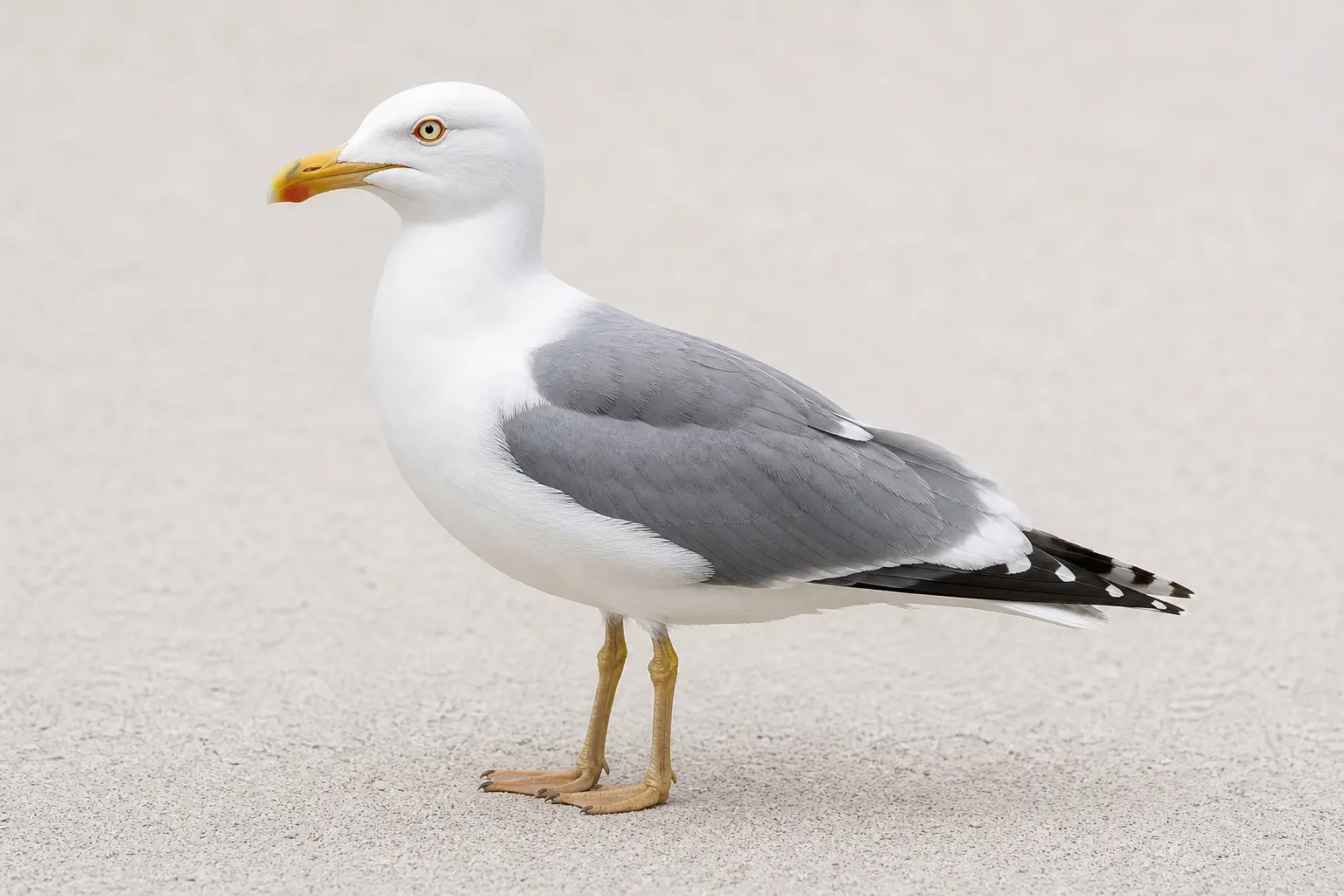
Gulls (family Laridae) are large, loud and highly adaptable birds that often nest on building roofs, industrial areas, ports, markets and waste disposal sites. They are intelligent, territorial and aggressive, especially during the nesting season when they defend their chicks.
Adult gulls are 40–60 cm long with strong beaks, wide wings, and a loud, piercing call. They are omnivorous and quickly adapt to human presence and food sources.
Why are gulls dangerous?
1. Aggressive behaviour
Gulls can:
- attack people during nesting season
- defend territory with loud calls and dive attacks
- steal food directly from hands
This creates risks for children, customers and staff.
2. Sanitary risks
Gull droppings contain:
- bacteria
- fungi
- parasites
- disease-causing pathogens
They contaminate:
- balconies and terraces
- warehouses and production areas
- ventilation systems
- food business areas
3. Structural damage
Gull droppings are highly corrosive and damage:
- roofing materials
- metal structures
- solar panels
- facades and windows
Nests can block drainage systems and create fire hazards.
4. Noise and reputation issues
Gulls cause:
- loud noise
- dirt and contamination
- unpleasant odours
This strongly affects hotels, cafés, terraces, office buildings, ports and markets.
Where are gulls most commonly found?
Gulls prefer areas with:
- food sources
- open roof structures
- waste containers
- water proximity
Most commonly found in:
- building rooftops
- ports and coastal areas
- markets and waste sites
- industrial zones
- outdoor dining areas
How to identify a gull infestation?
Signs:
- loud birds on roofs or near buildings
- nests on roofs, ledges or ventilation areas
- droppings on facades, balconies and under eaves
- aggressive behaviour near people
- feathers and nesting materials
If gulls are nesting on a building, the problem is usually long-term and recurring.
Recommendations for gull control
1. Remove food sources
- secure waste containers
- avoid leaving food outside
- restrict access to waste areas
2. Protect building structures
- install bird spikes (stainless steel deterrents)
- use netting on roofs and ledges
- block access to ventilation openings
3. Prevent nesting
- inspect roofs regularly
- remove nesting materials before breeding season
- use visual and acoustic deterrents
4. Avoid direct confrontation
Gulls can be aggressive, especially during nesting.
Do NOT:
- approach nests
- try to scare birds away yourself
- feed gulls
5. Call professionals
Gull control is regulated and must be carried out humanely and legally using professional methods.
What BAUME offers for bird control
While small issues can be handled with simple deterrents, long-term or large infestations require a professional approach. BAUME specialists provide safe, humane and effective solutions.
Professional services
- site inspection and risk assessment
- installation of bird spikes (stainless steel deterrents)
- netting systems for large areas
- blocking access to roofs and structures
- safe removal of nesting sites according to regulations
- long-term monitoring and prevention
Safety and quality
- 24-hour response availability
- flexible scheduling
- experienced bird control specialists
- humane and legal solutions
- maximum safety for people and pets
Long-term solutions
- bird control programs
- regular monitoring
- documentation for businesses (HACCP & BRC compliance)
BAUME ensures that gull problems are fully and sustainably resolved.
Need to book a service urgently?
Contact us and we’ll arrange the fastest solution for your property.
- Safe and controlled methods
- Fast response and a clear process
- Prevention advice after treatment